World Disorder: Edgy Urban Streetwear Design Assets
The heartbeat of modern streetwear isn't just in the cut of the fabric; it's in the attitude of the graphics. For designers, entrepreneurs, and brand builders looking to capture a raw, urban aesthetic, the World Disorder Graphic Design collection offers a distinct visual language. This isn't your standard clip art. It’s a curated set of streetwear designs that speak to a specific subculture—one that values rebellion, artistic grit, and standout visuals. If you are launching a clothing line or need merchandise that actually resonates with a younger, style-conscious demographic, understanding how to leverage these types of design assets is crucial for your brand identity.
Decoding the Aesthetic: More Than Just T-Shirt Graphics
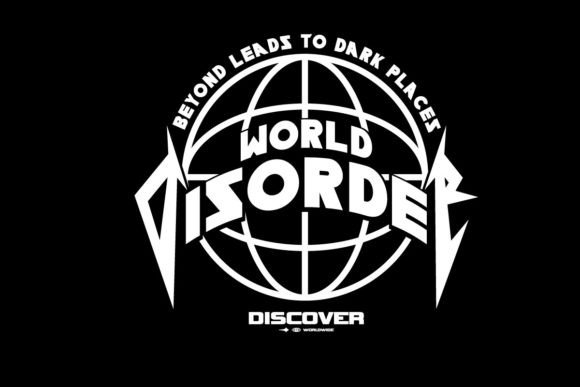
When we talk about the "World Disorder" style, we are referring to a specific niche within urban streetwear design. Visually, this collection tends to lean into darker, moodier palettes mixed with high-contrast elements. You might find distressed textures, chaotic typography arrangements, or illustrative elements that feel hand-drawn yet digitally polished. The personality of these designs is unapologetic. It’s not about corporate cleanliness; it’s about edge. This style appeals to the 20–50 demographic that grew up with punk rock aesthetics or 90s skate culture but appreciates modern production quality.
The versatility here lies in the format. Because these are 100% vector source files in EPS format, you aren't just buying a static image. You are buying a moldable toolkit. Unlike raster images (like JPEGs) that pixelate when you try to resize them, vector graphics allow you to scale your designs infinitely. You can print a massive back graphic for a hoodie or scale it down for a chest logo without losing a single ounce of quality. This is fundamental for professional clothing design, as it ensures your print files are crisp and clean, regardless of the print method—whether it's DTG (Direct to Garment), screen printing, or sublimation.
Strategic Branding with Streetwear Assets
For small business owners and entrepreneurs, the challenge often isn't having a good idea—it's executing the visual side without a massive budget. Hiring an illustrator for custom artwork can cost hundreds, if not thousands, of dollars per design. Utilizing a high-quality collection like World Disorder allows you to bootstrap your brand with professional-grade graphics.
However, simply slapping a graphic on a blank tee isn't enough to build a brand identity. You need to think about how this asset fits into your larger ecosystem:
- Visual Consistency: If you use the World Disorder aesthetic for your main merchandise, ensure your social media graphics, website headers, and packaging design echo that same energy. The gritty, high-contrast look of these vectors works exceptionally well for Instagram and TikTok backgrounds.
- Customization is Key: The files are editable in software like Adobe Illustrator or Affinity Designer. Don't just use the stock colors. Recolor the elements to match your brand's specific palette. If your brand is neon-focused, invert the colors. If you are more minimalist, strip away some of the complex elements to leave a cleaner mark.
- Merchandise Expansion: These designs aren't limited to apparel. Because the files include high-resolution PNGs with transparent backgrounds, they are perfect for print-on-demand services. Think beyond the t-shirt: stickers, tote bags, skateboards, and posters. A cohesive design language across multiple product types makes a brand feel established and authoritative.
Practical Workflow: From ZIP File to Finished Product
One of the biggest hurdles for non-designers is the technical aspect of file management. The World Disorder Graphic Design package is delivered in a ZIP format, which is standard for digital assets. Once extracted, you will find the vector files (EPS) and the raster files (PNG). Here is a practical guide to integrating these into your workflow:
- Software Check: To edit the vector files, you need software capable of handling EPS or SVG formats. Adobe Illustrator is the industry standard, but Affinity Designer is a fantastic, cost-effective alternative. If you only have access to Photoshop, you can still open the file, but you will lose the ability to easily edit individual vector points.
- Layer Management: Good vector files are usually organized into layers. Look for layers separating the background, main illustration, and text. This allows you to isolate the typography. You might love the graphic but hate the font choice—because it's a vector, you can delete the text layer and add your own custom branding.
- Color Separation for Screen Printing: If you are taking these designs to a screen printer, they will often ask for color-separated files. Because these are vectors, you can easily select elements and assign Pantone (PMS) colors. This ensures that the "World Disorder" red looks exactly the same on the hoodie as it does on the marketing flyer.
- Sublimation Ready: The prompt notes that these are perfect for sublimation. Sublimation printing requires high-resolution imagery because the ink bonds with the fabric fibers. The provided PNG files ensure you have the necessary DPI (dots per inch) for a sharp print, avoiding the blurry, "fuzzy" look common with low-quality web images.
Evaluating Fit and Commercial Licensing
Before you commit to a design direction, you need to evaluate if the "World Disorder" vibe fits your specific audience. This aesthetic skews heavily toward streetwear fashion, skate culture, music merchandise, and edgy lifestyle brands. It might not be the right fit for a corporate law firm or a children's boutique, but for the right market, it is gold.
When working with these assets, consider the visual hierarchy. In streetwear, the graphic is usually the hero. Allow the design breathing room on the garment. Don't try to crowd it with too much text or conflicting patterns. Let the chaos of the design speak for itself against a clean background.
Finally, always double-check the licensing terms of the assets you purchase. Most premium graphic collections allow for commercial use (selling the finished t-shirts), but they rarely allow for reselling the raw digital files to others. Ensure you are using the World Disorder assets to create a derivative product—your unique branded merchandise—rather than just redistributing the art itself.
By treating these graphic assets as a foundation rather than a finished product, you can build a cohesive, visually striking brand presence that stands out in a crowded marketplace.