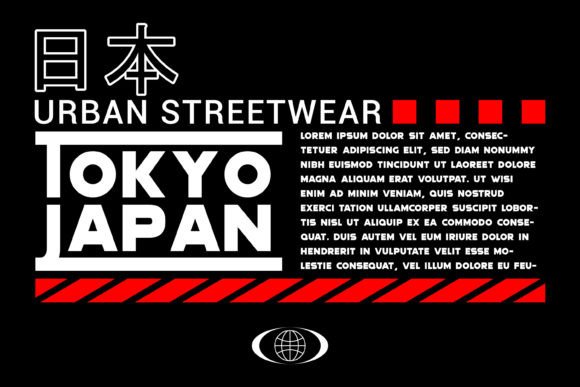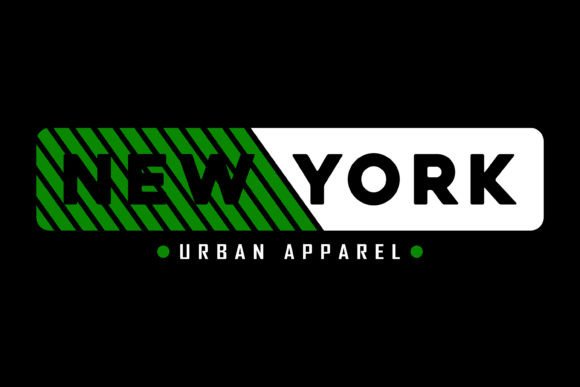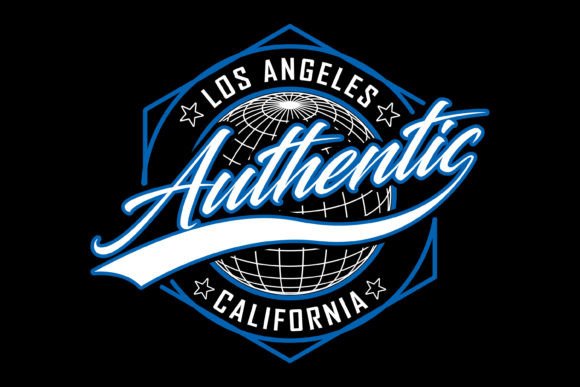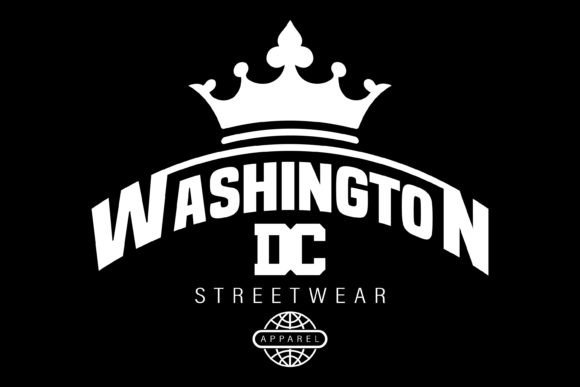
Freedom Streetwear Graphic Design: Authentic Urban Edge
There's a raw energy in streetwear graphics that captures the pulse of contemporary culture. Freedom Streetwear Graphic Design taps into this visual language with striking authenticity. It's not just another collection of design assets—it's a toolkit built for creators who want their work to resonate with urban audiences, from independent apparel brands to digital content creators pushing boundaries.
What Makes This Collection Stand Out
At its core, Freedom Streetwear Graphic Design delivers 100% vector shapes in EPS 10 and AI formats. That technical foundation matters more than most people realize. Vector files mean you can scale a design from a small chest print to a massive wall mural without losing a single pixel of clarity. Every curve stays crisp. Every line remains intentional.
The package includes high-resolution JPG and PNG files with transparent backgrounds, which immediately solves one of the most common headaches in production workflows. Need to drop a graphic onto a mockup at midnight? The transparent PNG has you covered. Working with a sublimation printer who needs 300 DPI files? Everything here meets that standard without extra processing.
What I find particularly useful is how straightforward the editing process is. Colors shift easily, which means adapting designs to match a client's brand palette or a seasonal collection becomes a matter of minutes rather than hours. For anyone running a small apparel operation or managing multiple brand identities, this kind of flexibility saves real time and money.
The Visual Character and Personality
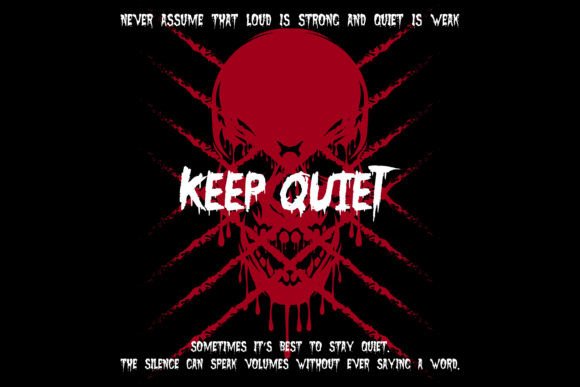
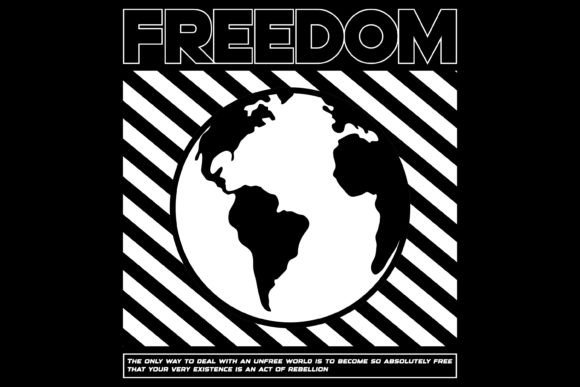
Streetwear design draws from graffiti, skate culture, hip-hop aesthetics, and countercultural movements. Freedom Streetwear Graphic Design channels all of these influences without feeling derivative. The visual style balances bold typographic elements with illustrative components that carry genuine attitude.
You'll notice the designs lean into high-contrast compositions. There's a deliberate tension between negative space and dense graphic areas that creates visual punch. This isn't subtle, background-level decoration. These are display font territory graphics—the kind that demand attention on a black tee or command respect on a poster hung in a gallery space.
The personality reads as confident but accessible. It avoids the trap of trying too hard to be edgy, which plagues so many streetwear design assets. Instead, there's an authenticity in the visual language that feels earned. Whether you're building a brand identity for a new streetwear label or creating social media graphics for an urban lifestyle blog, this collection communicates credibility.
Practical Applications Across Industries
The versatility here extends well beyond t-shirts, though that's obviously a primary use case. Here's where I've seen designs like these perform exceptionally well:
- Apparel and merchandise: T-shirt sublimation, hoodies, caps, tote bags, and all-over prints. The 300 DPI files handle screen printing and direct-to-garment processes without quality issues.
- Editorial and publishing: Magazine covers, feature spreads, and book covers targeting urban culture, music, or fashion audiences. The bold visual weight works beautifully in editorial design contexts.
- Packaging design: Product packaging for streetwear brands, sneaker labels, or lifestyle products that need to stand out on crowded shelves or in scrolling feeds.
- Digital platforms: Website hero images, YouTube thumbnails, podcast artwork, and app interfaces. The PNG transparency makes layering over photographs and video stills seamless.
- Physical spaces: Event posters, retail signage, pop-up shop murals, and trade show displays where scale and impact matter most.
Small business owners launching independent clothing lines will find this especially valuable. The learning curve is minimal, the production-ready files eliminate guesswork, and the professional quality holds up against established competitors.
Working with the Files: A Practical Walkthrough
If you're comfortable with Adobe Illustrator or similar modern typography and vector editing tools, you'll feel at home immediately. The AI and EPS files open cleanly with organized layers, which makes isolating individual elements straightforward.
For color customization, I'd recommend building a small swatch library before you start editing. Pick three to five brand colors, then work through the designs systematically. This approach keeps your output consistent across different pieces—a critical factor when building recognizable brand identity materials.
The JPG files work well for quick mockups and client presentations. Use the transparent PNGs for anything that needs to sit on top of other visual elements. Both formats maintain the 300 DPI quality that professional printers expect.
Design Considerations and Best Practices
A few observations from working with streetwear graphics professionally:
- Test at actual size. A design that looks incredible on your 27-inch monitor might lose detail when printed at chest scale on a medium t-shirt. Always print a test or view at 100% zoom before committing to a production run.
- Consider your audience carefully. Streetwear graphics carry cultural associations. Make sure the visual tone aligns with your specific audience rather than assuming all urban aesthetics are interchangeable.
- Pair thoughtfully. If you're combining these graphics with typography, choose font pairing options that complement rather than compete. A clean sans serif font often balances the intensity of streetwear illustrations better than another bold typeface.
- Respect the medium. Sublimation, screen printing, and DTG all handle detail differently. The vector source files give you maximum flexibility to adjust complexity based on your production method.
For web design applications, consider how these graphics render at smaller sizes. Streetwear aesthetics rely heavily on visual impact, so ensure that key details remain legible when compressed for mobile screens or social media thumbnails.
Commercial Use and Licensing
One area where many creators stumble is licensing. Before using any design assets commercially, verify the specific terms included with your purchase. Freedom Streetwear Graphic Design files are structured for commercial applications, which covers selling finished products like printed apparel, merchandise, and physical goods.
However, redistribution of the raw files themselves typically falls outside standard licensing. You're creating products with the assets, not reselling the assets directly. This distinction matters for anyone building a creative font and graphics marketplace or planning to share source files with collaborators.
Keep documentation of your license accessible. If you're working with clients, being able to reference clear usage rights builds trust and protects everyone involved.
Building Something That Lasts
The streetwear market continues evolving, but certain visual principles remain constant: boldness, authenticity, and cultural relevance. Freedom Streetwear Graphic Design provides a solid foundation for projects that need to communicate these values without starting from zero.
Whether you're a designer building client presentations, an entrepreneur launching a clothing brand, or a content creator developing a visual identity, having production-ready design assets at your fingertips changes how quickly you can move from concept to finished product. The included formats, the vector scalability, and the print-ready resolution remove the technical barriers that slow down creative momentum.
Start with one design. Print it. Test it on your audience. Then expand from there with confidence that the quality and consistency will hold up across every application you pursue.